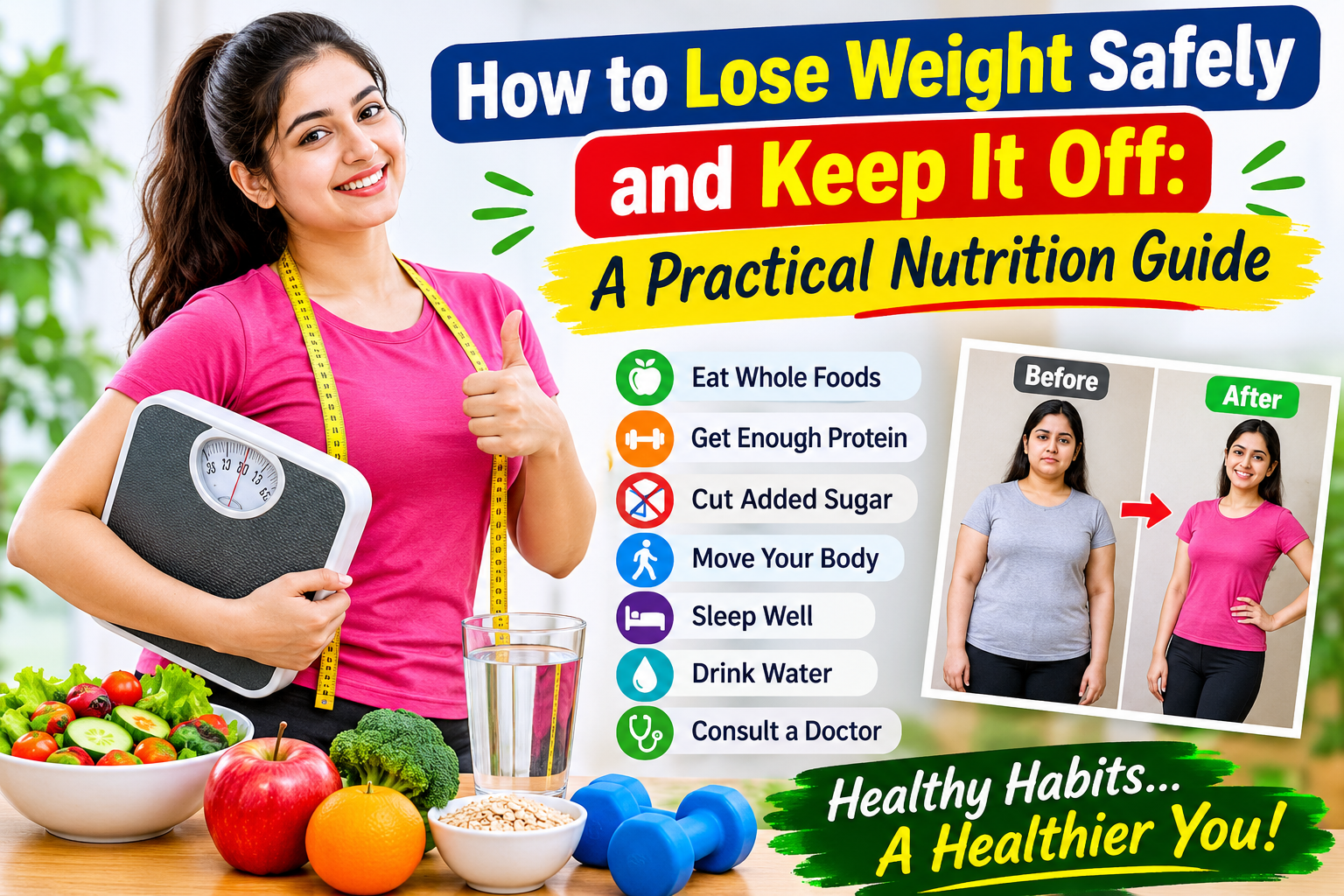
How to Lose Weight Safely and Keep It Off: A Practical Nutrition Guide
Each year, new diet trends promise rapid weight loss, but sustainable weight loss relies on stable, practical behaviors. This tutorial outlines effective strategies for weight loss and maintenance, explaining their efficacy and how to implement them in real-life scenarios.
Start With the Right Goal: Slow and Steady
Crash diets may initially seem motivating, but gradual weight loss of 1 to 2 pounds per week is more sustainable, as endorsed by the CDC. Rapid weight loss often suggests inadequate nutrition and energy. Notably, even a modest weight reduction of 5 to 10 percent can improve blood pressure, cholesterol, and blood sugar levels ‘(Mertens & van Gaal, 2000)’.
Build Your Plate Around Whole Foods
Eating foods that resemble their natural sources, such as those from the ground, sea, or farm, is reliable and simple dietary advice.
- Fruits and vegetables can be consumed in various forms, including fresh, frozen, or sugar-free canned options.
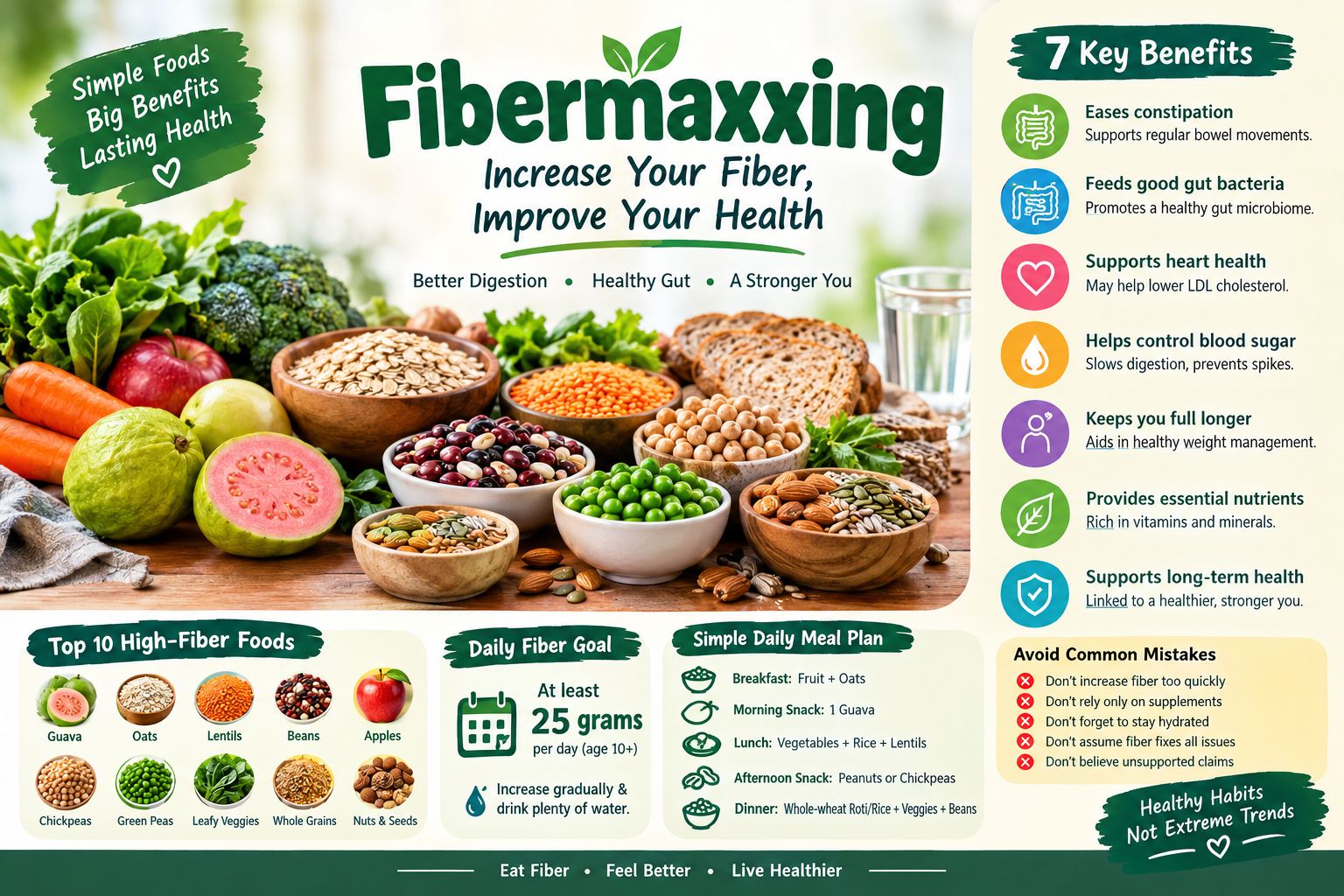
- Beans, lentils and chickpeas
- Fish, eggs, poultry and lean meats
- Plain yogurt, milk and other dairy
- Nuts and seeds
- Whole grains such as oats, brown rice, whole-wheat bread and quinoa Foods like these are filling, rich in nutrients and naturally harder to overeat than snacks, sweets and fast food.
Make Protein a Habit at Every Meal
Protein is essential for preserving muscle mass during weight loss, aiding in satiety, maintaining a healthy metabolism, and potentially preventing weight gain, as noted by nutrition experts.Easy ways to add it:
- Eggs, Greek yogurt or cottage cheese at breakfast
- Beans, chicken, fish or tofu at lunch and dinner
- A handful of nuts or a boiled egg as a snack
Your protein requirements depend on size, age, activity level, and health. Consult a physician before increasing protein intake, especially with kidney disease or chronic illness.
Cut Back on Added Sugar and Highly Processed Foods
Highly processed foods and added sugar offer high calories but do not curb hunger, with liquid calories often being the most significant contributors.
- Replace sugary beverages like energy drinks, soda, and sweetened juice with healthier alternatives such as unsweetened tea, sparkling water, or plain water.
- Use less sugar in coffee and tea.
- Choose plain yogurt and add fruit yourself.
- Check ingredient lists. Words like "sugar," "syrup" and anything ending in "-ose" signal added sugar.
Mind Your Portions Without Counting Every Bite
You can manage portions without obsessing. Try these:
- Use a smaller plate and fill half of it with vegetables.
- Serve food on a plate instead of eating from the package.
- Eat slowly and stop when you feel comfortably satisfied.
- Avoid eating in front of screens, which makes it easy to overeat.
- Keep fruit, nuts and cut vegetables handy as snacks.
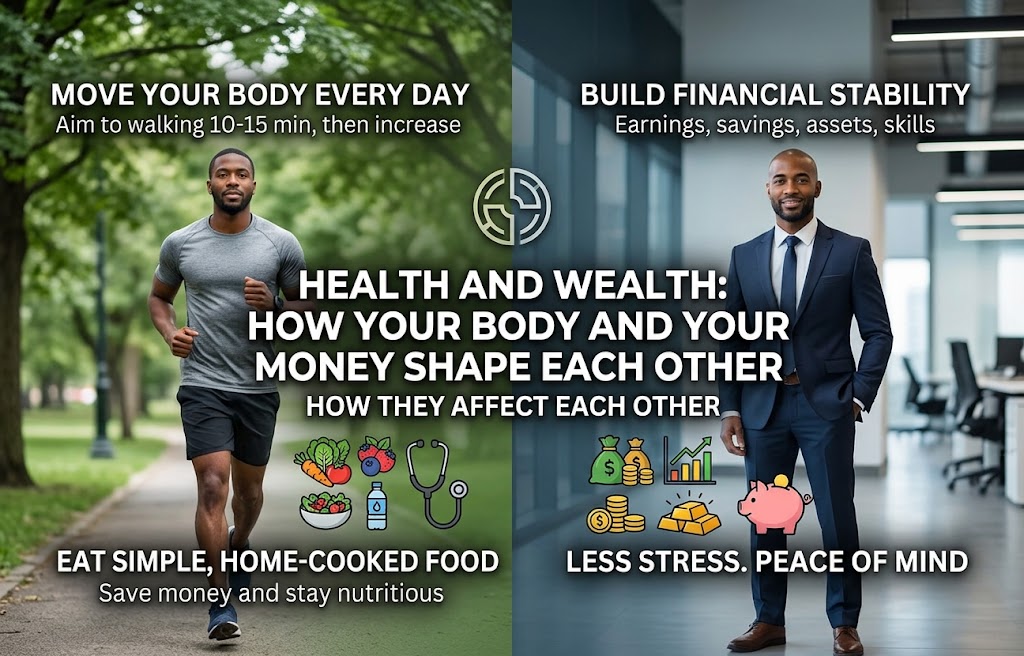
Move Your Body Every Day
Exercise is essential for weight loss maintenance, muscle preservation, and mood enhancement, although it typically does not lead to weight loss independently. The CDC advises 75 minutes of vigorous or 150 minutes of moderate-intensity aerobic activity weekly, alongside strength training twice a week for muscle health and metabolism. Beginners should start with daily walks and gradually increase their activity, emphasizing the importance of choosing enjoyable exercises for consistency.Sleep and Stress Matter More Than You Think
Stress and lack of sleep can lead to increased appetites and poor decision-making regarding health.To combat this,
Aim for at least seven hours of sleep nightly, maintain a consistent sleep routine establish a screen-free wind-down time before bed, and engage in stress-relieving activities such as stretching, walking, listening to music, praying, or socializing.
Drink Enough Water
Drinking a glass of water before meals can help curb overeating and it's beneficial to keep water accessible throughout the day. Enhancing the taste of water can be achieved by adding a slice of lemon, cucumber, or mint.Plan Ahead, Because Willpower Runs Out
A doctor or certified dietician will review your medical history, prescriptions, and necessary tests to create a personalized plan, especially if you have conditions like high blood pressure or diabetes. Obesity is increasingly seen as a chronic health issue by health officials, necessitating medical support for management. Having a doctor's support is crucial for managing recurrent illnesses, as they can discuss additional treatment options. Decisions should be made by a licensed healthcare practitioner who can evaluate individual benefits and risks. Seek medical help immediately if experiencing sudden weight changes, severe stomach pain, or concerning symptoms.A Simple 8-Step Plan to Start Today
- Start each meal with protein to stay full longer.
- Fill half your plate with vegetables and fruit.
- Replace one sugary drink a day with water or unsweetened tea.
- Choose whole grains over refined ones.
- Cook at home more often so you control the sugar, salt and oil.
- Walk daily and add strength training twice a week.
- Protect your sleep and make time to unwind.
- Track progress by habits, not just the scale. Energy, sleep, strength and how your clothes fit all count.
Frequently Asked Questions
1. How fast should I lose weight?
A steady pace of about 1 to 2 pounds per week is generally considered healthy and is linked to better long-term results. Faster loss is harder to sustain and may leave you short on nutrients.
2. Do I need to cut out carbs or fat completely?
No. Most people do well with a balanced approach: plenty of vegetables, fruit, whole grains, lean protein and healthy fats such as olive oil, nuts and fish. The goal is to favor whole, minimally processed foods rather than eliminate whole food groups.
3. Is exercise necessary for weight loss?
Food choices have the biggest effect on weight loss, but regular activity helps you keep the weight off, protects muscle, and improves heart health, sleep and mood. Aim for a mix of walking or other aerobic activity and strength training.
4. When should I talk to a doctor about my weight?
Talk to a doctor before starting any major diet or exercise change if you have a medical condition, take regular medication, are pregnant or breastfeeding, or have a history of disordered eating . You should also reach out if you have struggled to lose weight despite sustained effort, since there may be medical factors involved.
The Bottom Line
Small, consistent habits are more effective for long-term weight loss than strict dietary guidelines. Key actions include consuming whole foods, ensuring adequate protein intake, reducing added sugars, maintaining daily physical activity, getting enough sleep, and seeking professional help when necessary. Begin with one or two adjustments to foster gradual improvement.Disclaimer: This article emphasizes that it is intended solely for general information and should not replace professional medical advice, diagnosis, or treatment. It advocates consulting a licensed healthcare professional before making any changes to diet, exercise, or prescription regimens.
Reference List
Centers for Disease Control and Prevention (CDC), Losing Weight: https://www.cdc.gov/healthy-weight-growth/losing-weight/Centers for Disease Control and Prevention (CDC), About Obesity: https://www.cdc.gov/obesity/php/about/
World Health Organization (WHO), guideline and news on obesity as a chronic, relapsing disease: https://www. who.int/news/item/01-12-2025-who-issues-global-guideline-on-the-use-of-glp-1-medicines-in-treating-obesity
Mertens, I. L., & van Gaal, L. F. (2000). Overweight, Obesity, and Blood Pressure: The Effects of Modest Weight Reduction. Obesity Research, 8(3), 270–278. https://doi.org/10.1038/oby.2000.32