In this guide you will learn everything about gut health: introduction, what is dietary fiber, ten high-fiber foods you should eat.
Introduction
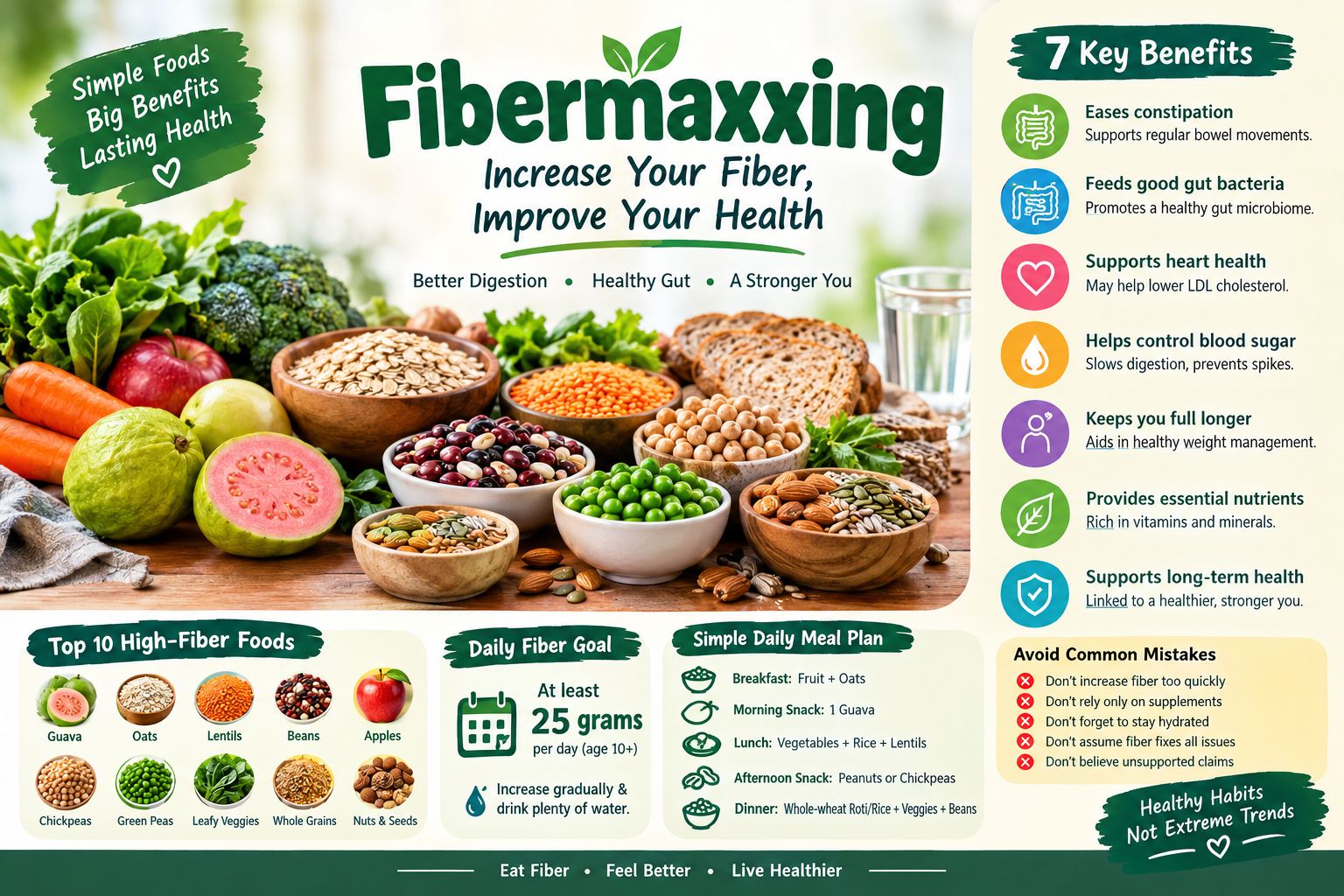
Fibermaxxing refers to increasing dietary fiber intake through foods like fruits, vegetables, beans, lentils, nuts, and whole grains to improve digestion and overall health. It emphasizes a gradual increase in fiber consumption, incorporating a variety of fiber-rich foods, rather than excessive intake. The text also hints at discussing ideal foods, benefits of fiber, and practical strategies for achieving this dietary goal.What Is Dietary Fiber?
Dietary fiber, a carbohydrate found in plant-based diets, is not entirely digested in the small intestine. It divides into two categories: soluble fiber, which dissolves in water and is found in foods like apples, beans, and oats, and insoluble fiber, which aids in digestion and increases stool bulk. Consuming a variety of fruits, vegetables, legumes, and whole grains is an effective way to obtain different types of dietary fiber.Seven Benefits of Eating Enough Fiber
Fiber may help ease constipation and promote regular bowel movements.
- Prebiotics in various forms of fiber promote the growth of beneficial gut microbes.
- Soluble fiber from foods such as beans and oats can help reduce LDL cholesterol as part of a heart-healthy diet.
- Foods rich in fiber can aid in managing blood sugar levels by slowing digestion, helping to control spikes after meals.
- Meals high in fiber can increase feelings of fullness, potentially aiding in healthy weight management.
- Fiber provides vital nutrients, including essential vitamins and minerals, and is found in fruits, vegetables, legumes, and whole grains.
- Numerous long-term health advantages are linked balanced diet high in plant-based foods.
Ten High-Fiber Foods You Should Eat
Increasing fiber intake can be achieved through affordable, everyday foods rather than expensive supplements or exotic superfoods.1. Guava
Guavas are a fiber-rich fruit that make a nutritious snack, and they should be washed thoroughly before consumption.
2. Oats
Oats provide a convenient breakfast choice and contain soluble fiber.
3. Lentils
Lentils are a source of plant-based protein and dietary fiber, making them a healthy addition to lunch or dinner.
4. Beans
Beans provide fiber and protein and can be included in cooked meals, salads, and soups.
5. Apples
Apples provide a good source of fiber, particularly when the edible skin is consumed.
6. Chickpeas
Chickpeas provide a beneficial source of plant protein and fiber.
7. Green Peas
Green peas are rich in fiber and essential nutrients.
8. Leafy Vegetables
Vegetables such as spinach are rich in fiber, vitamins, and minerals.
9. Whole Grains
Whole-grain bread and foods provide more fiber than refined options.
10. Nuts and Seeds
You can enhance your diet with fiber, healthy fats, and additional nutrients by incorporating nuts and seeds.
How Much Fiber Do You Need Every Day?
Your age, gender, and dietary needs influence your fiber requirements. The World Health Organization recommends a daily intake of at least 25 grams of fiber for individuals over ten years old, achievable through fruits, vegetables, legumes, and whole grains. To minimize gas and bloating, increase fiber intake gradually if starting from a low level.A Simple Daily High-Fiber Meal Plan
This document provides an example of how to include fiber-rich foods in daily meals. For breakfast, it suggests fruit and oats; for a morning snack, one guava; lunch includes cooked vegetables, rice, and lentils; an afternoon snack of peanuts or chickpeas; and dinner consists of whole-wheat roti or rice with vegetables and beans. It emphasizes adjusting serving sizes based on individual dietary needs and health conditions.
How to Increase Fiber Without Bloating
Gas, bloating, or abdominal discomfort may occur from a rapid increase in fiber intake. To ease this adjustment, gradually increase fiber, drink sufficient water, eat a variety of high-fiber foods, chew food thoroughly, and avoid consuming many fiber pills at once. Consult a healthcare provider before making significant dietary changes, especially if you have a digestive disorder or ongoing symptoms.
Common Fibremaxxing Mistakes to Avoid
Some believe high fiber intake will enhance health instantly, but rapid increases can upset the stomach. Common mistakes include consuming too much fiber too quickly, relying solely on supplements, neglecting hydration, assuming fiber resolves all digestive issues, and following unsupported health claims on social media. The goal should be to establish a balanced, sustainable eating routine rather than following extreme diet trends.
Conclusion
Fibremaxxing highlights the importance of dietary fiber, suggesting that healthy eating can be simple. To increase fiber intake, one should gradually add more vegetables, lentils, whole grains, and whole fruits to their diet. Staying hydrated and monitoring bodily responses are crucial. Seek medical advice for persistent digestive problems, severe abdominal pain, blood in stool, or unexplained weight loss. Prioritizing consistent healthy habits over fleeting nutrition trends is essential for overall well-being.Medical Disclaimer
This article is for educational purposes only and is not a substitute for professional medical advice, diagnosis, or treatment.
References
World Health Organization: https://www.who.int/news-room/fact-sheets/detail/healthy-diet
Frequently Asked Questions
What is fibremaxxing?
a.Increasing dietary fiber intake through fruits, vegetables, beans, lentils, and whole grains is referred to as "fibremaxxing."
Can fiber help with constipation?
b.Constipation can often be prevented or alleviated by consuming sufficient dietary fiber and drinking adequate water, gradually increasing fiber intake.
What Is Gut Health?
Gut health means keeping your stomach and intestines healthy so your body can digest food and absorb nutrients properly.